
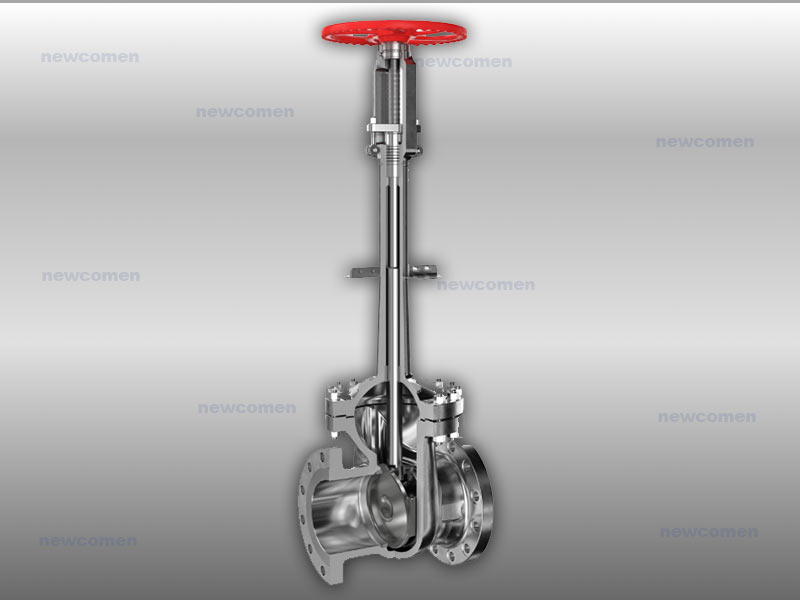
Description
Description:
A cryogenic gate valve is a specialized valve designed to control the flow of cryogenic fluids (liquids at extremely low temperatures, typically below -150°C). This valve, though seemingly straightforward, incorporates sophisticated design and functionality. We provide our customers with the flexibility to choose from various sizes and pressure classes
Material (Forged Gate Valve):
- Body, Bonnet, and Disc: Forged Carbon Steel, Low Temperature Carbon Steel, or Stainless Steel (e.g., 316L, 316LN)
- Stem: 17-4PH Stainless Steel or other low-temperature compatible materials
- Packing: PTFE or other low-temperature compatible packing
- Gasket: Metal-to-metal or soft gasket suitable for cryogenic temperatures
Material (Casted Gate Valve):
- Body, Bonnet, and Disc: Cast Carbon Steel, Low Temperature Carbon Steel, or Cast Stainless Steel (e.g., CF8M, CF8)
- Stem: 17-4PH Stainless Steel or other low-temperature compatible materials
- Packing: PTFE or other low-temperature compatible packing
- Gasket: Metal-to-metal or soft gasket suitable for cryogenic temperatures
Performance:
- Temperature Range: -196°C to 120°C (or lower, depending on specific design)
- Pressure Rating: Class 150, 300, 600, 900, or 1500 (or higher, depending on specific design)
- Leakage Class: Zero leakage or low leakage, depending on the specific application
- Cycle Life: High cycle life, suitable for frequent operation
Considerations:
- Low-Temperature Lubrication: Special low-temperature lubricants may be required for valve operation
- Thermal Shock Resistance: The valve is designed to resist thermal shock
- Corrosion Resistance: The valve is resistant to corrosion from the cryogenic fluid and any impurities it may contain.
- Cryogenic Fluid Compatibility: The valve materials and lubricants must be compatible with the specific cryogenic fluid being used.
Download Datasheet (PDF)

Reviews
There are no reviews yet.