
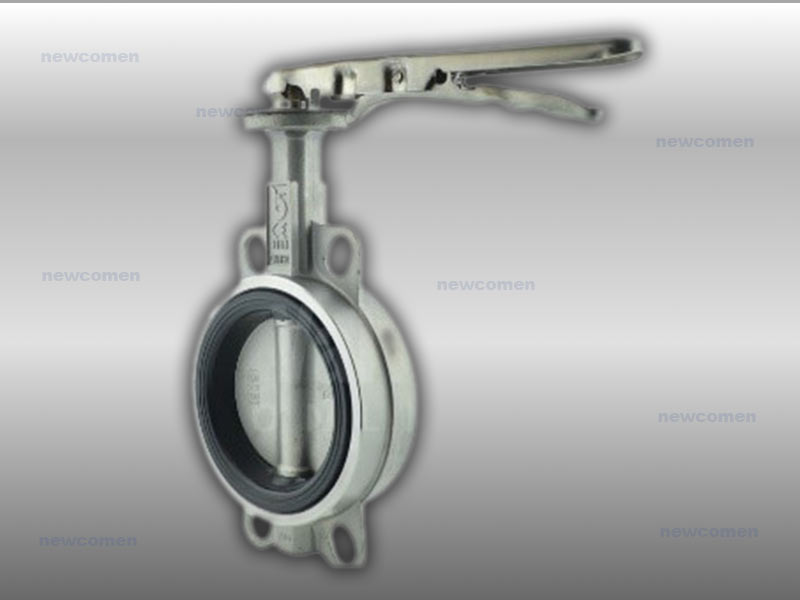
Description
Description:
Process butterfly valves are a popular choice for fluid control in numerous industries. These compact, quarter-turn valves employ a rotating disc to efficiently regulate fluid flow. Available in a range of sizes and materials, they are designed to withstand diverse process conditions and offer rapid operation and cost-effective solutions.
| Key Applications:
Water Treatment: Controlling the flow of water and chemicals. Oil and Gas: Regulating the flow of oil, gas, and other fluids. Chemical Processing: Controlling the flow of corrosive and hazardous chemicals. Food and Beverage: Controlling the flow of food products and beverages. Power Generation: Regulating the flow of steam and water. By understanding the different types and applications of process butterfly valves, you can select the right valve for your specific needs.
|
Specific feature (N250):
Design:
Body: The main housing of the valve, typically made of cast iron, ductile iron, or stainless steel.
Disc: The rotating element that controls the flow. It can be made of various materials, including stainless steel, cast iron, or special alloys.
Stem: Connects the disc to the actuator, allowing for rotation.
Seat: The sealing surface between the disc and the valve body. It can be made of various materials, including elastomers, metal, or composite materials.
Actuator: A device that provides the force to rotate the disc, such as a pneumatic, hydraulic, or electric actuator.
Design:
- Process Butter fly valve API 609
- Size: 2 “ to 10 “
- Pressure rating: PN16
- Flange Accommodation: PN6, PN10, PN16, ANSI 150
- Disc Material: Stainless Steel 316L
- Lever or Gearbox Operator
- Types of Sealing: Soft Seat or Metal-to-Metal Seat
- Temperature range: -10°C to 120°C
Material:
Body Material:
- Stainless Steel:
- 304/304L: Offers good corrosion resistance and is suitable for a wide range of applications.
- 316/316L: Provides excellent resistance to chloride-containing environments.
- Carbon Steel:
- Used in less demanding applications where corrosion resistance is not a primary concern.
- Alloy Steels:
- Used in high-temperature or corrosive service applications. Specific alloys will depend on the specific requirements.
- Special Alloys:
- Materials like Stellite or Monel may be used in highly corrosive or abrasive service conditions due to their exceptional wear and corrosion resistance.
Disc Materials:
- Stainless Steel:
- 304/304L: A common choice for general-purpose applications.
- 316/316L: Offers excellent resistance to chloride-containing environments.
- Carbon Steel:
- Used in less demanding applications where corrosion resistance is not a primary concern.
- Alloy Steels:
- Used in high-temperature or corrosive service applications. Specific alloys will depend on the specific requirements.
- Special Alloys:
- Materials like Stellite or Monel may be used in highly corrosive or abrasive service conditions due to their exceptional wear and corrosion resistance.
Seat Materials:
- Elastomers:
- EPDM: Excellent resistance to heat, ozone, and many chemicals.
- NBR: Good general-purpose elastomer, suitable for many applications.
- Nitrile Butadiene Rubber (NBR): Good resistance to oils and fuels.
- Fluorocarbon Elastomers (FKM): Excellent chemical resistance, suitable for aggressive environments
Download Datasheet (PDF)

Reviews
There are no reviews yet.